
I've been talking a lot about data centers lately, and one question keeps coming up: why are they going after farmland?
The answer isn't that complicated.
Farmland is already cleared. There are fewer neighbors. Infrastructure is easier to expand or change, and county development often comes with fewer regulations than development in urban areas.
There are also fewer people to fight it.
At the same time, many rural communities are losing population, businesses, services, and tax revenue. When someone comes along promising a massive investment and jobs, of course we're going to listen.
But we need to hear the whole story.
The building isn't the biggest concern with a data center. It's everything that building needs to keep running: electricity, water, roads, utility infrastructure, and potentially new transmission capacity. Before we approve these projects, we need to know what they will require, who pays for it, and what happens when resources are strained.
We also need to be realistic about jobs. Construction creates jobs, but construction ends. If we're being asked to trade land, resources, infrastructure, or tax incentives for economic development, we deserve to know how many permanent jobs will remain and whether they will actually be jobs the average Missourian can fill.
And then there is the land itself.
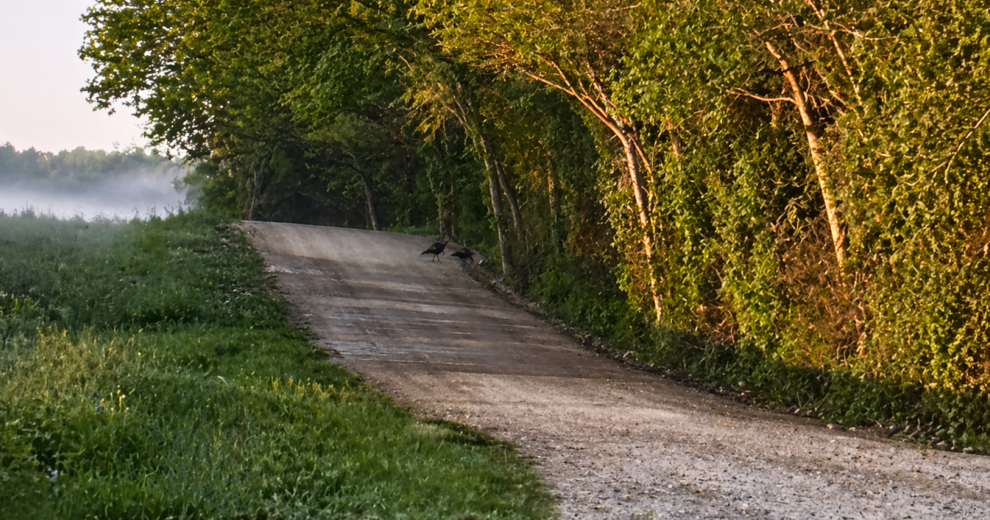
Rural spaces aren't wasted space.
Not everything has to have a building sitting on it to have value. Sometimes the value of an open field is that a farmer can grow something there. Sometimes it's that rain has somewhere to go. And sometimes it's simply having a safe place where a kid can run across a field and fly a kite.
Those things matter too.
Once we give up those spaces, getting them back isn't always an option.
I'm not against technology or economic development. I'm asking Missouri to slow down long enough to understand what we're agreeing to.
I support a moratorium on new large scale data centers while we establish protections for our water, power, farmland, infrastructure, and the communities being asked to host them. Companies should pay for the infrastructure they require, and the people who live there should have a real voice before decisions are made.
Rural Missouri needs investment. It needs jobs and opportunities.
But needing investment doesn't mean we have to take whatever we're offered.
Rural spaces aren't wasted space.
They already have value.