
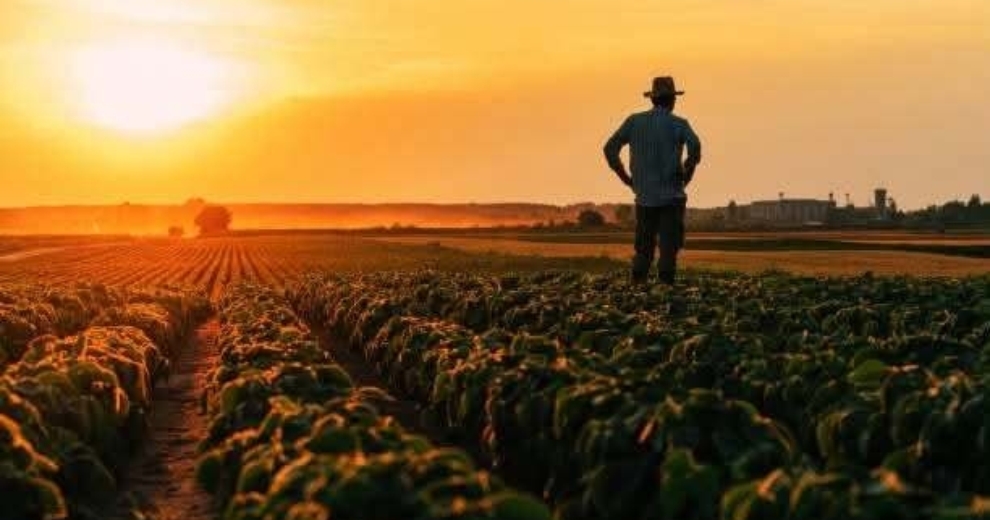
Recently, someone asked me if there were organizations that specifically address the high rate of suicide among farmers.
At the time, I knew those resources existed, but I did not have the information handy. I went looking, and I wanted to put what I found in one place where people could easily find it.
Farmers are strong people. They are used to long days, unpredictable weather, tight margins, broken equipment, changing markets, and carrying responsibilities that cannot simply be put off until tomorrow. But that same toughness can sometimes make it harder to say, “I’m struggling.”
That is why the people around them matter.
If you notice someone acting differently, withdrawing, seeming overwhelmed, or simply not seeming like themselves, you do not need a perfect speech. Start with something simple:
“I’ve noticed a change in you, and I’m concerned. Can we talk?”
Feeling isolated, alone, or like no one sees what you are going through can make an already difficult situation worse. Sometimes simply noticing someone and making it clear that they matter can mean more than we realize.
And if someone you know is struggling, do not just hand them a phone number and walk away.
Sit with them.
Make the call with them.
Help them take that first step.
Resources for Missouri Farmers and Rural Families
Missouri AgriStress Helpline
The Missouri AgriStress Helpline is available specifically for Missouri farmers, ranchers, farmworkers, and rural families. Calls and texts are answered by people trained to understand the unique pressures that come with agriculture and rural life.
Call or text: 833 897 2474
Available: 24 hours a day, 7 days a week
Cost: Free and confidential
Website: agriculture.mo.gov/stress.php
Show Me Strong Farm Families and MU Extension
The University of Missouri Extension provides mental health resources, suicide prevention education, and access to confidential counseling for agricultural families.
Farmers, ranchers, farmworkers, and members of their immediate families may be eligible for services, including telehealth counseling with professionals who understand agriculture and rural communities.
Phone: 573 882 4677
MU Extension: extension.missouri.edu
Counseling information: muext.us/PSCFarmRanch
North Central Farm and Ranch Stress Assistance Center
Missouri is part of the North Central Farm and Ranch Stress Assistance Center, a USDA supported regional network created to help farm and ranch families find support.
The network connects people with mental health resources, stress assistance, training, financial resources, and other services designed specifically for agricultural communities.
Website: farmstress.org
Farm Aid
Most people know Farm Aid because of the concerts, but its work goes much further than that.
The Farm Aid hotline connects farmers and farm families with help involving financial problems, legal concerns, disaster assistance, farm stress, and other crises.
That matters because mental health on a farm cannot always be separated from everything else happening around it. Debt, crop loss, foreclosure, succession problems, livestock losses, or the fear of losing land that has been in a family for generations can all become part of the same burden.
Phone: 1 800 FARM AID
Website: farmaid.org
Farm Bureau's Farm State of Mind
Farm State of Mind is a national initiative focused specifically on the mental health of farmers and ranchers.
Its work focuses on reducing the stigma surrounding mental health, recognizing signs of stress, starting conversations, and helping rural communities connect people with appropriate resources.
Website: farmstateofmind.org
Supporting Farmers Means More Than Talking About Agriculture
We talk a lot about supporting our farmers.
Sometimes that means buying local. Sometimes it means protecting family farms, supporting rural communities, or making sure agriculture has a voice in Jefferson City.
And sometimes supporting farmers looks much simpler.
It is noticing that the farmer down the road has not been himself lately.
It is checking on a neighbor after a difficult season.
It is sitting at a kitchen table or beside someone in a pickup truck and asking:
“Are you okay?”
You do not have to have all the answers.
You just have to care enough not to walk away.